Birth Defects: Causes and How to Lower Your Risk
Dr Janani Saravanan MBBS, DNB, MRCOG
My post content
Birth defects are structural or functional abnormalities present at birth that affect a baby’s health, appearance, or development.
What Is Birth Defect?
A birth defect is a structural change a baby is born with. The structural change can be in one or more parts of the body and is not limited to any specific parts of the body. These birth defects can sometimes affect the way the baby looks, develops, behaves or a combination of these.
Birth defects can vary from mild to severe depending on which part or organ of the body it affects and the level of impact. Sometimes, if the birth defect is severe and affects an important organ of the body, it can even affect the lifespan of the baby. Sometimes, the baby might need help to carry on their regular activities as they grow up.
What Causes Defects in Pregnancy?
Birth defects in pregnancies can happen at any time during the pregnancy, but are mostly caused during the first 3 months – the first trimester. Most of these defects happen during the foetus’ formative stages and some happen during the delivery time. Most of the birth defects that happen during delivery are physical defects, mainly due to the baby’s position or the way the baby is retrieved during delivery.
Sometimes it is possible to determine the exact cause of certain birth defects. However, for many, the doctors cannot be very sure of the cause as there can be more than one. It can be a combination of genetics, medications and general exposure during pregnancy. It is very difficult to be very certain of the exact cause of birth defects in many cases.
What are 3 Causes of Birth Defects?
The three main causes of birth defects are:
1.Genetic Defects
We all receive two sets of genes, one from each parent. A small defect in any of them can result in a birth defect. Sometimes a part or the entire gene itself can be missing.
2. Exposure During Pregnancy
Exposure to pollutants, chemicals, alcohol, tobacco or even medications can affect the developing foetus. Overexposure to any toxic substance in any form or even certain viruses can result in a birth defect.
3. Complications In Pregnancy
Complications such as deficiencies, health issues, insufficient or excess weight gain, infections or lack of sufficient nutrients can lead to birth defects. The age of the mother also plays an important role in the development of birth defects.
When Can You Identify Birth Defects?
It is not feasible to identify all birth defects before the baby is born. Defects like Down syndrome and chromosomal disorders may show up in the first-trimester screening which is a combination of blood tests and scans. Many genetic disorders can also be found as the doctor will look for them specifically.
Birth defects like autism or other behavioral or developmental-related defects become evident only as the child grows. Sometimes, tests can indicate the baby is at a risk of developing certain birth defects and the doctors will monitor closely to identify such defects at the earliest. In other cases, the defects come to light only as the parents notice a change or delay in reaching milestones.
Can You Avoid Birth Defects During Pregnancy?
You cannot prevent or avoid all birth defects. As mentioned above, some of the defects are noticeable only as the child grows. If the baby or the mother is in the high-risk category, certain steps can reduce the risk of developing birth defects.You can however reduce the risk of birth defects by:
- Being proactive
- Staying fit
- Maintaining a good well-balanced diet
- Avoiding unhealthy indulgences
- Following the doctor’s instructions
- Being careful while moving around physically
- Keeping your doctor informed about genetic defects and issues if any
How to Avoid Birth Defects During Pregnancy
While there is no guarantee that one can completely avoid birth defects in their baby, especially if the baby is in the high-risk category, the pregnant mother can do things to reduce such risks.
- Meet your doctor regularly for your check-ups without missing any tests or scans. These tests and scans are timely checkpoints to detect birth defects at the earliest.
- Ensure you take all your medications as prescribed as missing them can lead to deficiencies and defects eventually. Folic acid is one such important nutrient that can reduce the risk of birth defects to a great extent.
- Avoid drinking alcohol or consuming tobacco in any form. While certain studies show that limited intake of alcohol on occasion will not affect the baby, many doctors suggest avoiding alcohol and tobacco completely.
- Never take any medications without a prescription and without confirming with your obstetrician. Only they know what medications you are on and how your body is responding to them. Consuming over-the-counter medicines that promise to make the foetus healthy can in fact be dangerous when combined with certain medications.
- Be cautious and maintain personal hygiene to avoid any sort of infection during pregnancy. infections like E-Coli or even high fever can impact the foetus in the womb.
- If you are suffering from medical conditions like hypertension or diabetes during pregnancy, ensure you alter your lifestyle to keep them under control. Excess sugar in the blood or very high blood pressure can lead to birth defects.
Final Thoughts
You cannot prevent or avoid all birth defects. Sometimes, despite all the clear tests and scans, a baby can have a birth defect. It is definitely very challenging to bring up a child with birth defects. Finding the right doctors and support groups can help both the child and the family handle the defect in a better manner.
FAQ
1. Are birth defects in babies hereditary?
Not always. Sometimes birth defects can be due to environmental factors or due to some infection the mother picked during pregnancy.
2. What is a preventable cause of birth defects?
Birth defects caused due to environmental exposure can be avoided to a great extent. Keeping the pregnant mother away from these environmental factors will reduce the risk of infections and birth defects. manner.
Preconception Care: A Complete Guide to Planning a Healthy Pregnancy
Essential steps involved in planning a healthy pregnancy and why pre-pregnancy care should never be overlooked
Dr.Janani Saravanan MBBS, DNB, MRCOG
Planning a pregnancy is one of the most important steps toward ensuring a healthy mother and baby. Preconception care, also known as pregnancy planning counseling, helps women prepare physically, mentally, and medically before conceiving. In today’s world, where many women plan only one or two pregnancies in a lifetime, entering pregnancy in optimal health is crucial for positive outcomes.
This blog discusses the essential steps involved in planning a healthy pregnancy and why pre-pregnancy care should never be overlooked.
Why Is Preconception Care Important?
Preconception care focuses on identifying and modifying health risks before pregnancy begins. Proper planning can:
- Improve fertility and conception rates
- Reduce pregnancy complications
- Lower the risk of birth defects
- Ensure a smoother and safer pregnancy journey
1. Achieve an Ideal Body Weight Before Pregnancy
Maintaining a healthy weight is one of the most important aspects of preconception health.
- The recommended Body Mass Index (BMI) is 19–25
- Overweight or obese women may face difficulty conceiving and have higher risks of gestational diabetes and high blood pressure during pregnancy
- Underweight women may have an increased risk of anemia, preterm labor, and low birth weight babies
Achieving an ideal weight through a balanced diet and healthy lifestyle improves pregnancy outcomes.
2. Follow a Healthy Pre-Pregnancy Diet
A nutritious diet before pregnancy lays the foundation for fetal growth and maternal health.
Key components of a healthy preconception diet:
- Plenty of fruits and vegetables
- High-protein foods such as pulses, eggs, dairy, and lean meats
- Reduced intake of refined carbohydrates and processed foods
A well-balanced diet helps build nutrient reserves required during pregnancy.
3. Exercise Regularly Before Pregnancy
Regular physical activity improves fertility, stamina, and mental well-being.
- Aim for at least 30 minutes of exercise daily
- Activities such as walking, yoga, swimming, or stretching are beneficial
Since childbirth involves significant physical effort, being fit before pregnancy helps prepare the body for labor and delivery.
4. Manage Stress for a Healthy Pregnancy
Mental health plays a vital role in reproductive health. Chronic stress can affect ovulation and overall well-being.
- Practice stress-reducing techniques such as meditation, yoga, or mindfulness
- Ensure emotional support and adequate rest
Happy and relaxed mothers are more likely to have healthy pregnancies and healthy babies.
5. Quit Smoking and Avoid Alcohol
Lifestyle habits have a direct impact on fetal development.
- Smoking increases the risk of infertility, miscarriage, and fetal growth restriction
- Passive smoking is equally harmful, so partners should also avoid smoking
- Alcohol consumption can cause serious developmental problems in the baby and should be avoided completely
Abstinence from smoking and alcohol is strongly advised when planning pregnancy.
6. Start Folic Acid Before Conception
Folic acid supplementation is essential for preventing neural tube defects in the baby.
- Should be started at least three months before conception
- Supports proper development of the baby’s brain and spinal cord
Your doctor will recommend the appropriate dosage during preconception counseling.
7. Ensure Vaccinations Are Up to Date
Certain infections during pregnancy can severely affect fetal development.
- Women are routinely screened for Rubella immunity
- If non-immune, the Rubella vaccine is given, and pregnancy is planned after one month
- COVID-19 vaccination is safe in the pre-pregnancy period and during pregnancy
Up-to-date immunization protects both mother and baby.
8. Manage Pre-Existing Medical Conditions
Preconception care is especially critical for women with chronic illnesses such as:
- Diabetes
- High blood pressure
- Asthma
- Seizure disorders
These conditions—and some medications—can affect pregnancy. Early consultation helps:
- Optimize disease control
- Switch to pregnancy-safe medications
- Reduce pregnancy-related complications
9. Review Previous Pregnancy Complications
If there were complications in a previous pregnancy—such as gestational diabetes, congenital anomalies, or heart defects—preconception evaluation is essential.
Early planning allows doctors to:
- Identify risk factors
- Implement preventive strategies
- Improve outcomes in future pregnancies
When Should You See a Doctor Before Pregnancy?
Ideally, a woman should consult a doctor 3–6 months before planning pregnancy. This allows enough time for lifestyle changes, supplementation, vaccinations, and medical optimization.
Conclusion: Plan Pregnancy for a Healthy Mother and Baby
Preconception care empowers women to take charge of their health before pregnancy begins. By focusing on nutrition, weight management, exercise, mental well-being, lifestyle habits, vaccinations, and medical conditions, women can significantly improve pregnancy outcomes.
Being informed, prepared, and healthy before conception is the first step toward a smooth, safe, and happy pregnancy.
Pregnancy Month by Month: What to Expect and When to See Your Doctor
Let’s walk through what to expect during each phase of pregnancy
Dr Janani Saravanan MBBS,DNB,MRCOG
Pregnancy Journey Explained: What to Expect in Each Trimester
Pregnancy is one of the most unique and special phases in a woman’s life. To all the expecting mothers reading this—congratulations! This beautiful journey spans about 40 weeks and is divided into three trimesters: the first, second, and third. Each trimester brings its own changes, experiences, and milestones.
First Trimester (0–14 Weeks): Adjusting to Pregnancy
The first trimester is a time of major hormonal changes, and many women experience noticeable symptoms.
Common symptoms include nausea and vomiting, which are very common due to pregnancy hormones. Eating small, frequent meals and avoiding an empty stomach can help. Ginger in the form of ginger bites or candies may reduce nausea. In some cases, pregnancy-safe medications are prescribed, and rarely, hospitalization may be required if vomiting is excessive.
Heartburn and gastritis are also common and can be managed with dietary changes and medications if needed.
Breast tenderness is a normal sign of early pregnancy.
Constipation may occur during this time. A high-fiber diet with plenty of fruits and vegetables along with adequate fluid intake is encouraged. Regular use of laxatives is avoided unless advised by a doctor.
Vaginal discharge is common in pregnancy and usually normal unless it is foul-smelling or associated with itching.
Vaginal bleeding should always be evaluated by a doctor. An ultrasound is done to confirm the fetal heartbeat and assess the pregnancy.
The first hospital visit, called the booking visit, should ideally happen as soon as pregnancy is confirmed. During this visit, a detailed history is taken, high-risk factors are identified, blood tests are done to check hemoglobin, thyroid function, blood sugars, and blood group. An ultrasound helps confirm the gestational age, expected delivery date, and fetal heartbeat. A nuchal translucency scan done between 12 and 14 weeks is important to screen for chromosomal abnormalities.
Second Trimester (14–28 Weeks): The Honeymoon Phase
The second trimester is often referred to as the honeymoon phase of pregnancy because most early symptoms gradually settle.
Women usually experience improved appetite and energy levels during this phase. The baby bump becomes visible, and many women feel happier and more confident.
Quickening, which is the perception of fetal movements, usually occurs between 18 and 20 weeks in first-time mothers. Women who have been pregnant before may feel movements earlier, around 16 to 18 weeks.
This period is generally safe for short trips, provided travel is comfortable and approved by the doctor.
Hospital visits are usually once every four weeks. An important investigation during this trimester is the anomaly scan done between 18 and 20 weeks. This detailed scan checks the baby from head to toe for any structural abnormalities and should not be missed.
Screening for gestational diabetes is done during this phase using a sugar test. Blood pressure monitoring is important as pregnancy-related hypertension can begin during this time. Iron and vitamin supplements are continued, and two doses of tetanus vaccination are administered.
Third Trimester (28–40 Weeks): Preparing for Birth
The third trimester is the most crucial phase of pregnancy, as maximum growth and maturity of the baby occur during this period.
Extra attention should be given to diet, as the body requires additional calories and nutrients. Including plenty of fruits and vegetables and consuming one to two glasses of milk daily is important.
Monitoring fetal movements is essential. The baby should move at least ten times in a day, or five times within one hour. Checking movements for one hour after meals is highly recommended.
Iron and calcium supplements should be taken regularly as advised.
Hospital visits become more frequent during this trimester, usually every two weeks until 36 weeks and weekly thereafter.
Signs That Labor Is Near
Certain signs indicate that it is time to go to the hospital. These include painful uterine contractions that increase in frequency and intensity, pain radiating from the back to the front, and contractions that do not subside with rest.
Breakage of waters, noticed as a thin watery fluid leaking from the vagina, is another important sign requiring immediate medical attention.
Any vaginal bleeding during this phase should be taken seriously and evaluated by a doctor without delay.
Final Words
Pregnancy is a beautiful journey filled with physical, emotional, and joyful changes. Being informed about what to expect during each trimester helps women feel confident, prepared, and reassured throughout this special time.
Wishing all expecting mothers a happy, healthy, and safe pregnancy.
Diet in Pregnancy: A Complete Guide for Healthy Mother and Baby
A well-balanced pregnancy diet not only supports fetal development but also helps the mother prevent common pregnancy-related problems such as gestational diabetes, high blood pressure, and anemia
Dr Janani Saravanan MBBS,DNB,MRCOG
Pregnancy is a special phase in a woman’s life, and nutrition plays a vital role in ensuring the healthy growth and development of the baby. A well-balanced pregnancy diet not only supports fetal development but also helps the mother prevent common pregnancy-related problems such as gestational diabetes, high blood pressure, and anemia. Research also suggests that maternal nutrition may influence the baby’s genetic programming, impacting health during childhood and even later adulthood.
This blog explains what to eat during pregnancy, trimester-wise dietary needs, essential nutrients, and foods to avoid, helping expecting mothers make informed and healthy choices.
Importance of Diet During Pregnancy
The mother’s diet forms the foundation for the baby’s growth and development. Adequate pregnancy nutrition helps maintain normal hemoglobin levels, supports healthy blood pressure, and keeps blood sugar levels under control. A nutritious pregnancy diet also reduces the risk of complications for both the mother and the baby.
Diet in the First Trimester of Pregnancy
During the first trimester, the fetus does not require extra calories. The focus should be on eating healthy rather than eating more. The concept of “eating for two” does not apply in early pregnancy.
Folic acid supplementation is essential during this stage, as it plays a crucial role in the development of the baby’s brain and spinal cord. Small, frequent meals are recommended, as they help manage nausea and vomiting, which are common during the first three months of pregnancy.
Diet in the Second and Third Trimesters
As pregnancy progresses into the second and third trimesters, the body requires additional energy—approximately 250 to 300 kilocalories per day. This extra energy should come from a balanced combination of carbohydrates, proteins, and healthy fats.
Carbohydrate intake should be controlled, while nutrient-dense foods should be prioritized. Including a variety of vegetables, especially green leafy vegetables, carrots, pumpkin, and other colorful vegetables, is highly beneficial. These provide iron, fiber, and essential vitamins required during pregnancy.
Importance of Fruits and Fiber in Pregnancy
Fruits are an excellent addition to a pregnancy diet. They provide essential vitamins, antioxidants, and fiber, which helps prevent constipation—a common issue during pregnancy. Regular consumption of fruits improves digestion and overall gut health.
Protein-Rich Foods for Pregnancy
Protein is essential for fetal growth and tissue development. Eggs are an excellent daily source of high-quality protein. Non-vegetarian women can include chicken and fish in their diet. Vegetarian sources of protein include paneer, lentils, beans, peas, and pulses. Healthy protein-rich snacks such as boiled channa or sprouts can further improve daily protein intake.
Importance of Hydration During Pregnancy
Adequate fluid intake is crucial during pregnancy. Women are advised to drink approximately 3 to 4 liters of fluids per day. This can include water, coconut water, and fresh fruit juices. Proper hydration helps prevent urinary infections, constipation, and fatigue.
Iron and Calcium Requirements in Pregnancy
Iron and calcium supplements are routinely prescribed during pregnancy due to increased nutritional demands. Iron-rich foods include green leafy vegetables, fruits, pomegranate, and dates, which can be consumed daily. Calcium is essential for bone health and fetal skeletal development, and at least two to three glasses of milk per day are recommended.
Despite a nutritious diet, supplements are necessary during pregnancy to meet increased requirements. Iron and calcium tablets should not be taken together, as they interfere with each other’s absorption. Tea and coffee should be avoided while taking iron supplements, as they reduce absorption. Taking iron tablets with vitamin C–rich fluids such as lemon juice can enhance absorption.
Foods to Avoid During Pregnancy
Certain foods should be minimized or avoided during pregnancy. Added sugars, sweets, chocolates, and sugary beverages should be cut down completely. Preserved foods, canned foods, pickles, sauces, and processed items should be consumed sparingly, as they may not be beneficial for maternal or fetal health.
Conclusion: A Balanced Pregnancy Diet for Better Outcomes
A healthy pregnancy diet should focus on fresh vegetables, fruits, fiber-rich foods, adequate protein, sufficient water intake, and regular supplementation of iron and calcium. Avoiding excess sugars and processed foods further supports a healthy pregnancy.
By following a balanced and mindful approach to nutrition, expecting mothers can ensure optimal health for themselves and their babies throughout pregnancy.
Early Signs of Pregnancy You Should Know
Recognizing the earliest signs of pregnancy can help you begin proper prenatal care and make healthy lifestyle choices from day one…
Cervical Cerclage (Stitch): When It’s Needed and What to Expect
Dr Janani Saravanan MBBS, DNB, MRCOG
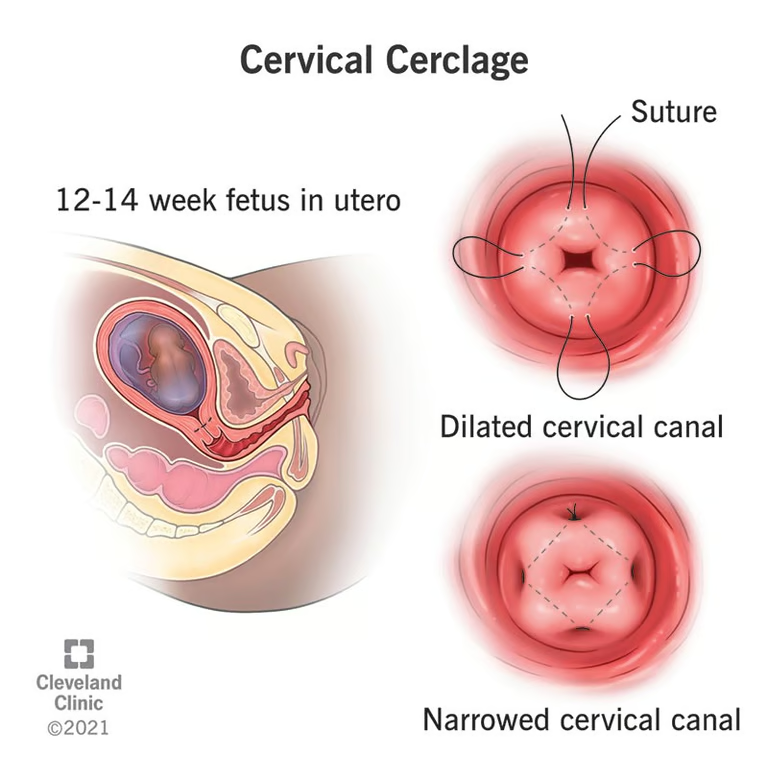
Cervical cerclage is a way of keeping your cervix closed during pregnancy to prevent premature birth due to incompetent (weakened) cervix. If your cervix has weakened, your healthcare provider will likely recommend a cervical cerclage. This is to keep the fetus safe inside of your uterus until it’s time for you to give birth.
What is cervical cerclage?
Cervical cerclage is a small medical procedure where a doctor puts a stitch (like a strong thread) around the cervix (the lower part of the uterus) to keep it closed during pregnancy.
What are the signs of cervical cerclage?
- Strong or regular abdominal pain
- Vaginal bleeding – Light spotting can be normal, but heavy bleeding or clots is not normal.
- Fever or chills – A temperature above 38°C (100.4°F) may indicate an infection.
- Unusual vaginal discharge – Bad smell, Yellow/green color, Thick or puslike. These may be signs of infection.
Why is cervical cerclage performed?
It is done to prevent early opening of the cervix, which can lead to miscarriage or premature birth. Doctors suggest it if the cervix is weak or has opened too early in a previous pregnancy.
What happens during cerclage procedure?
- The doctor gives anesthesia (so you don’t feel pain).
- A stitch is placed around the cervix through the vagina (usually no cuts on the abdomen).
- The procedure usually takes about 20–30 minutes.
- You may go home the same day or after a short stay.
Is cerclage a painful procedure?
No, it is not painful during the procedure because anesthesia is given. After the procedure, you may feel mild cramps or discomfort for a few days.
When is a cervical suture removed?
The stitch is usually removed around the 36th–37th week of pregnancy, or earlier if labor starts.
What should be avoided after cerclage procedure?
- Avoid heavy lifting
- Avoid strenuous activities
- Avoid sexual intercourse (as advised by doctor)
- Avoid standing for long periods
- Follow doctor’s instructions strictly