
Menopause Care
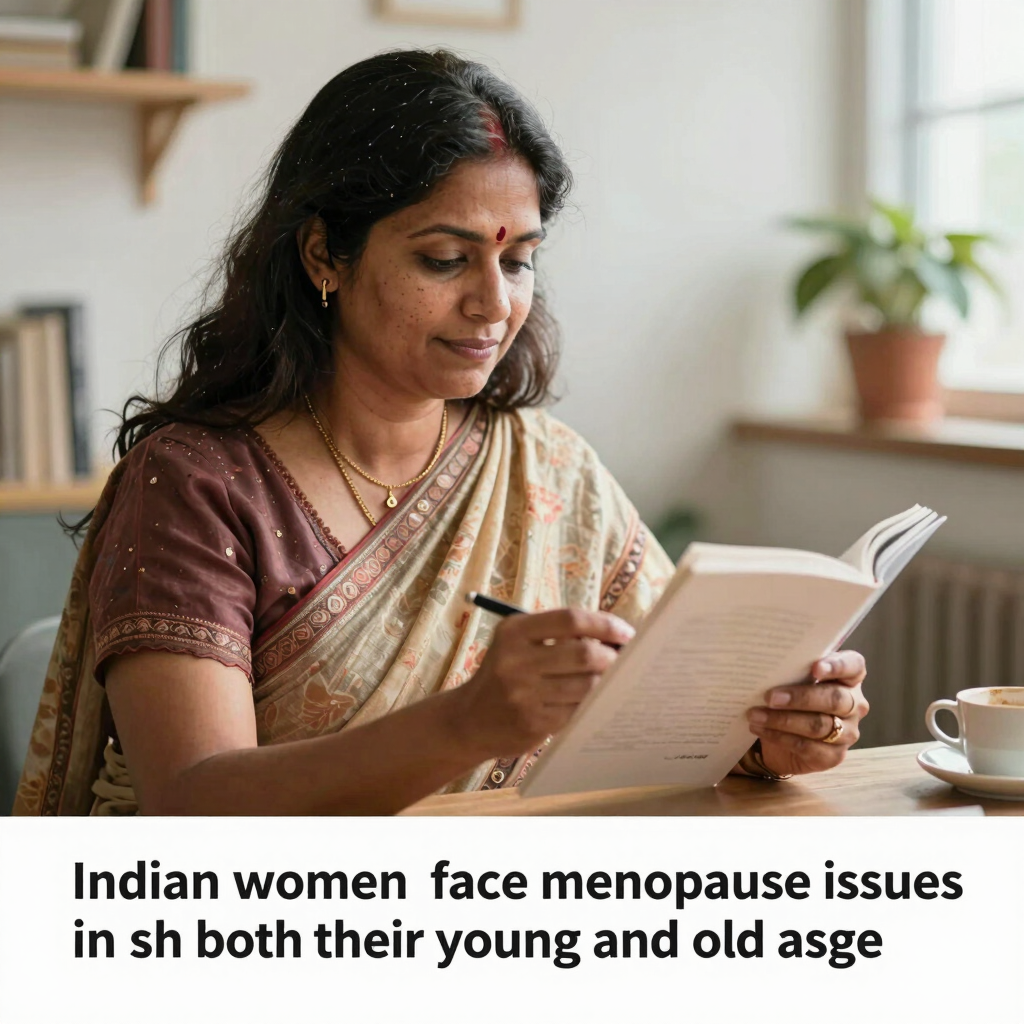

Menopause Is a Stage, Not a Problem to Fix
Every woman's experience of menopause is different — some sail through it, others find the symptoms genuinely disruptive. Both are normal. What matters is that you don't have to just "manage" through it quietly. Effective, safe options exist for almost every symptom below, and the right one depends on your health history, so we work through this together rather than handing you a generic list.
Common Symptoms — and What Can Help
Hot flashes and night sweats Small changes often make a real difference: layered clothing, a cooler bedroom at night, and cutting back on common triggers like spicy food, caffeine, and alcohol. If symptoms are significantly affecting your sleep or daily life, we'll discuss whether short-term hormone therapy or a non-hormonal medication option is right for you.
Vaginal dryness and discomfort This is one of the most under-discussed menopause symptoms, and one of the most treatable. Options range from simple over-the-counter moisturisers to prescription local therapy — we'll find what suits you.
Sleep and mood changes Good sleep habits, regular movement, and stress management help many women. When symptoms are more persistent, we'll talk through further options suited to your situation.
Bone health Bone density naturally declines after menopause. We recommend adequate calcium and vitamin D — many South Indian diets already include good sources like ragi, sesame (til), and leafy greens — along with regular weight-bearing exercise (brisk walking counts) and a bone density (DEXA) scan when appropriate for your age and risk.
Heart health Menopause is a good checkpoint to review blood pressure, cholesterol, and blood sugar. Small, sustainable changes to diet and activity go a long way, alongside regular checkups.
Urinary symptoms and recurrent infections If you're getting UTIs more often or noticing bladder changes, this is very treatable — from pelvic floor physiotherapy to targeted treatment for urogenital changes.
Memory and concentration Occasional forgetfulness or brain fog is common and usually improves with better sleep and stress management. If it's affecting your daily life significantly, we'll look into it further.
Weight and metabolism changes Metabolism does shift during this stage. Rather than restrictive dieting, we focus on sustainable changes — balanced meals, regular activity, and monitoring blood sugar and cholesterol — with a referral to a dietitian if that would help.
Building Your Personal Plan
There's no single right answer for menopause care — it depends on your symptoms, your health history, and your preferences. We'll talk through the risks and benefits of any treatment, including hormone therapy, in plain language, and revisit the plan as your needs change. Most women go on to live full, active lives through and beyond menopause with the right support in place.
Book a Consultation
If any of this sounds familiar, you don't need to wait for symptoms to become severe. Call or WhatsApp to schedule a visit at AECS Layout or Electronics City.